
Category: Indoor AIr
-
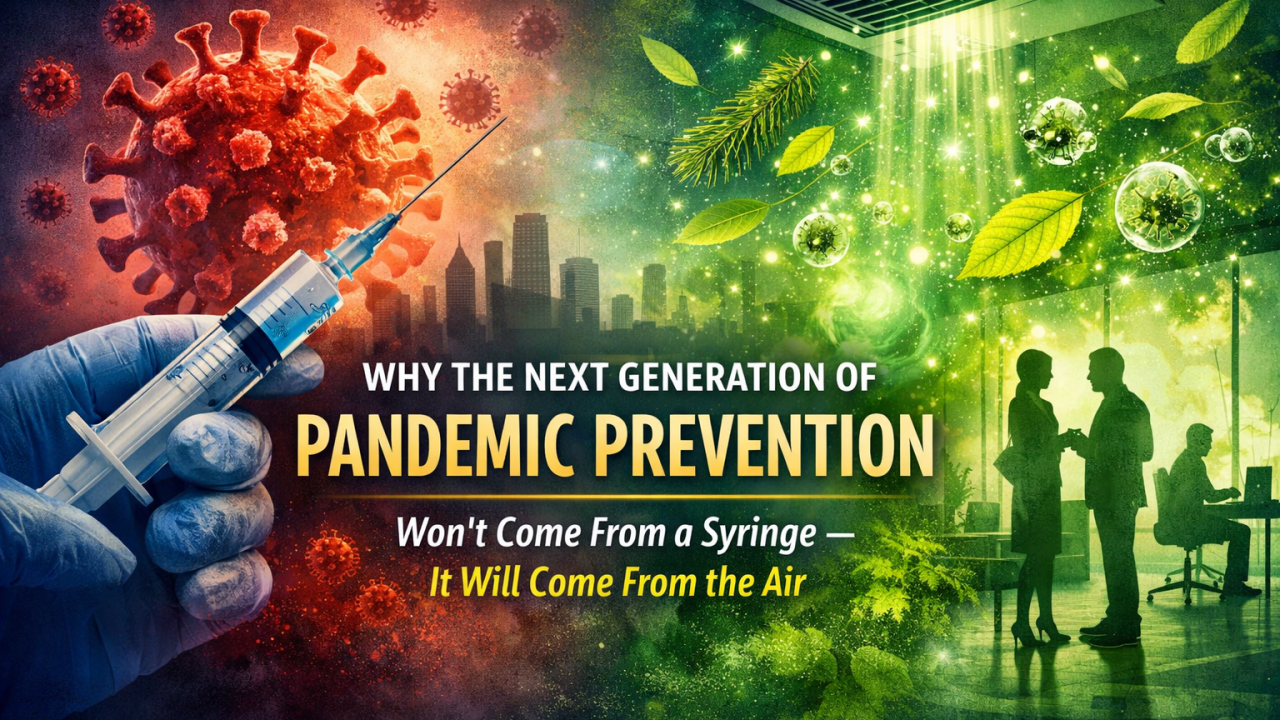
Why the Next Generation of Pandemic Prevention Won’t Come From a Syringe — It Will Come From the Air
For more than a century, public health has focused on treating people after exposure to infectious disease. Vaccines, drugs, and clinical interventions have saved millions of lives. But the COVID era exposed a critical gap in our strategy for respiratory pathogens. We’ve been focusing on the person, when the real battleground is the air. Humans…
-
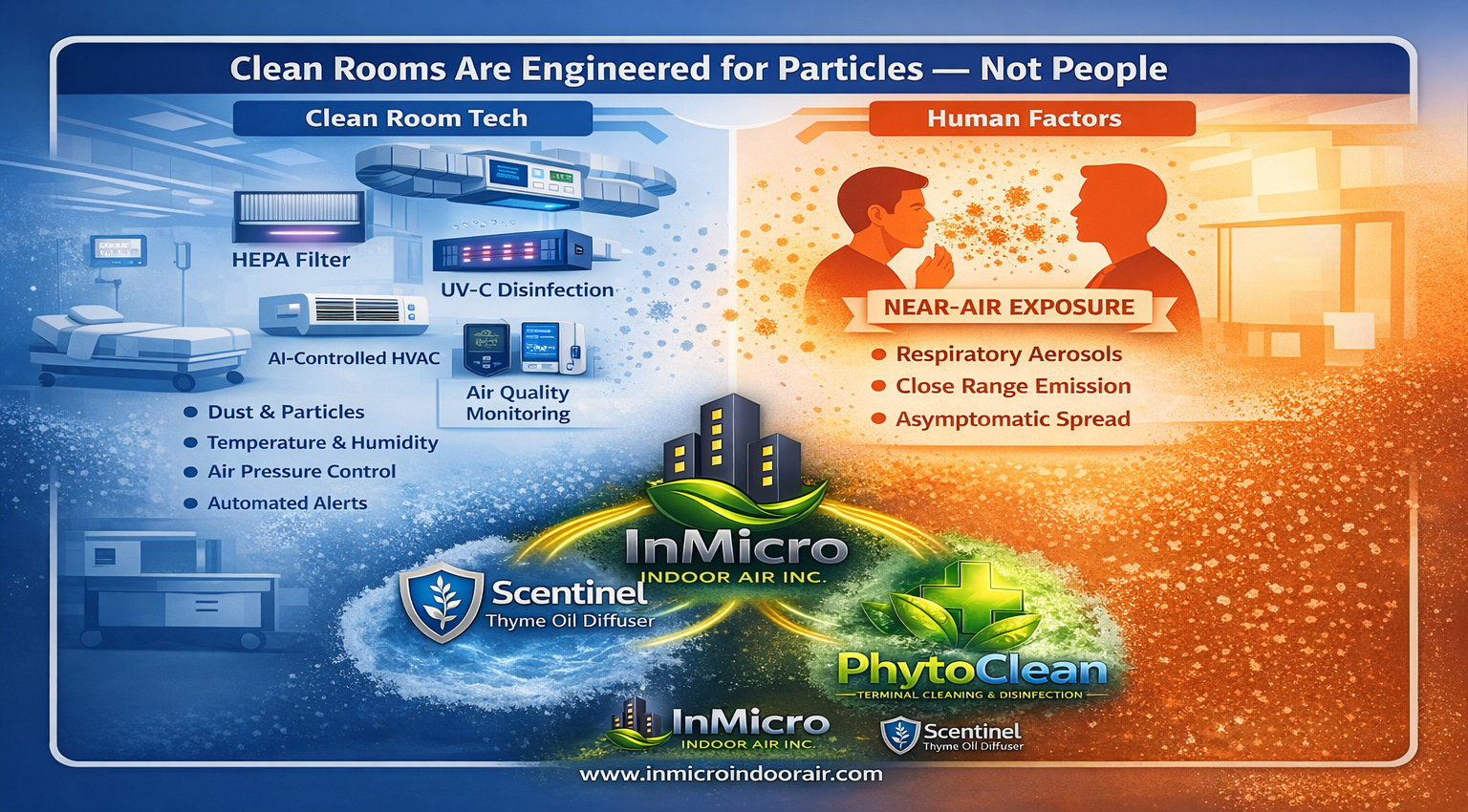
Over the past four decades, hospital infection control has become increasingly sophisticated. Clean room construction follows international frameworks such as ISO 14644-1 and the legacy FED-STD-209E. Facilities integrate HEPA filtration, UV-C disinfection, automated pressure controls, AI-optimized HVAC, and continuous monitoring systems. Companies offer advanced solutions—from the Puritrak air purifier and Puritrak indoor air quality measuring…
-
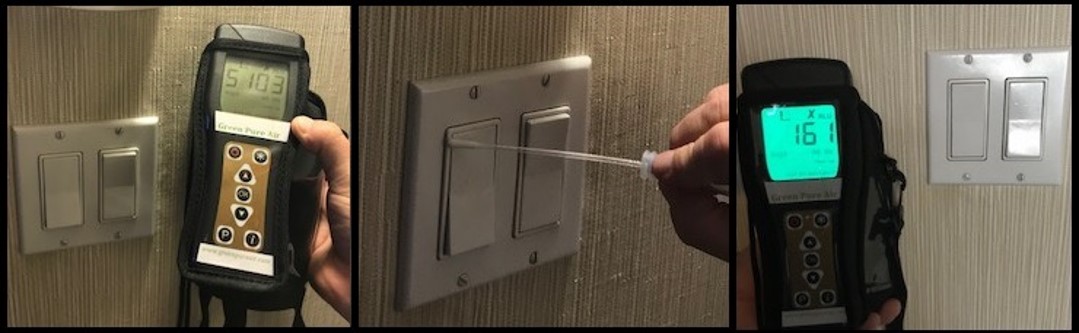
Why Do ATP Readings Drop After Thyme Oil Vapor Treatment in Operating Rooms — Even Without Cleaning?
In many hospitals, ATP monitoring is a trusted, rapid way to understand environmental hygiene. But an interesting pattern has emerged in operating rooms using short-duration thyme oil vapor treatments: ATP (RLU) readings fall significantly — even when no manual cleaning has taken place. So what’s driving this? Understanding What ATP Really Measures ATP (adenosine triphosphate)…
-
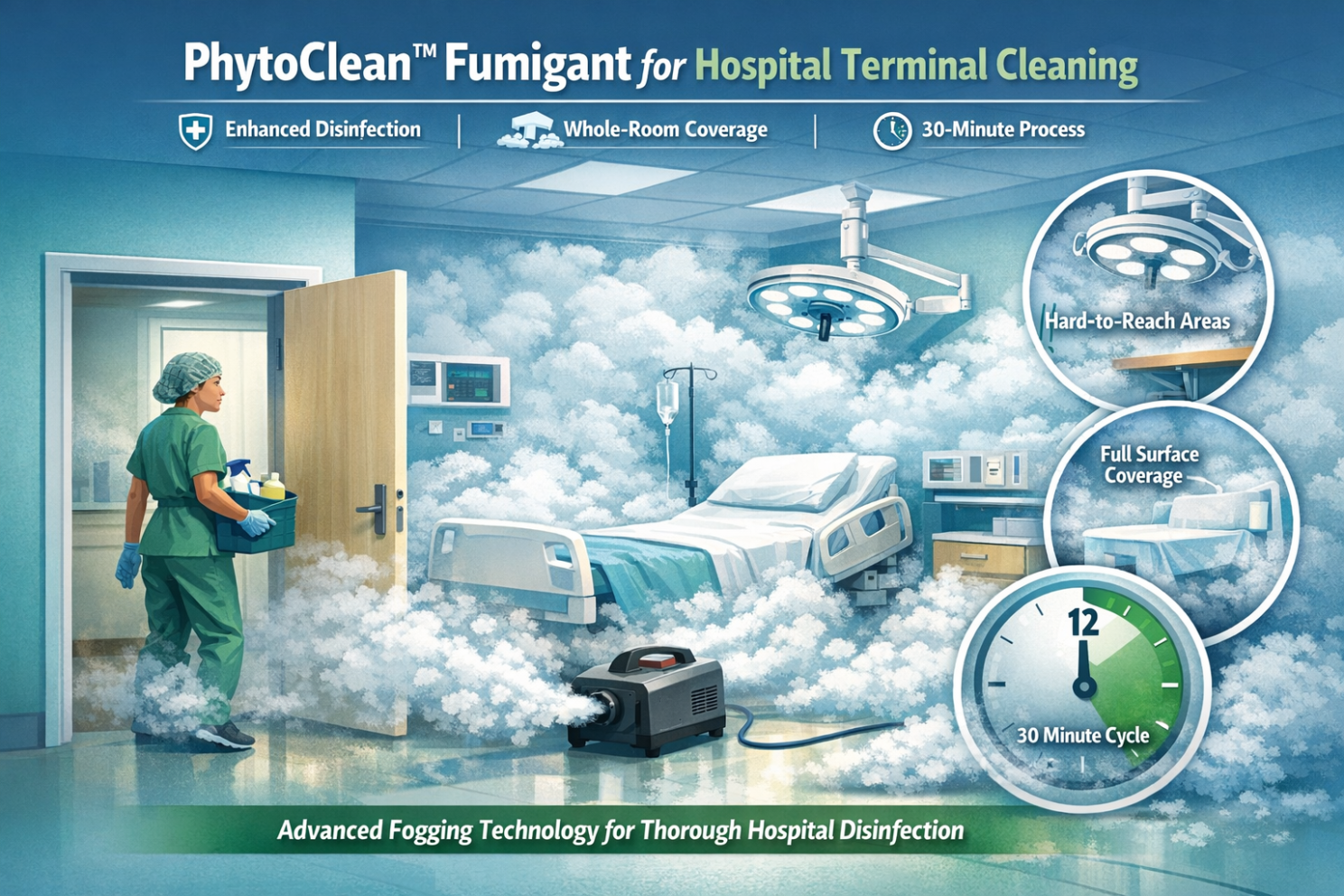
Hospital environments are designed to heal — but without rigorous environmental hygiene, they can also become reservoirs for pathogens. Terminal cleaning, the deep cleaning process performed after a patient leaves a room, is one of the most important infection-prevention steps in healthcare facilities. It ensures the next patient enters a safe, disinfected space and helps…
-
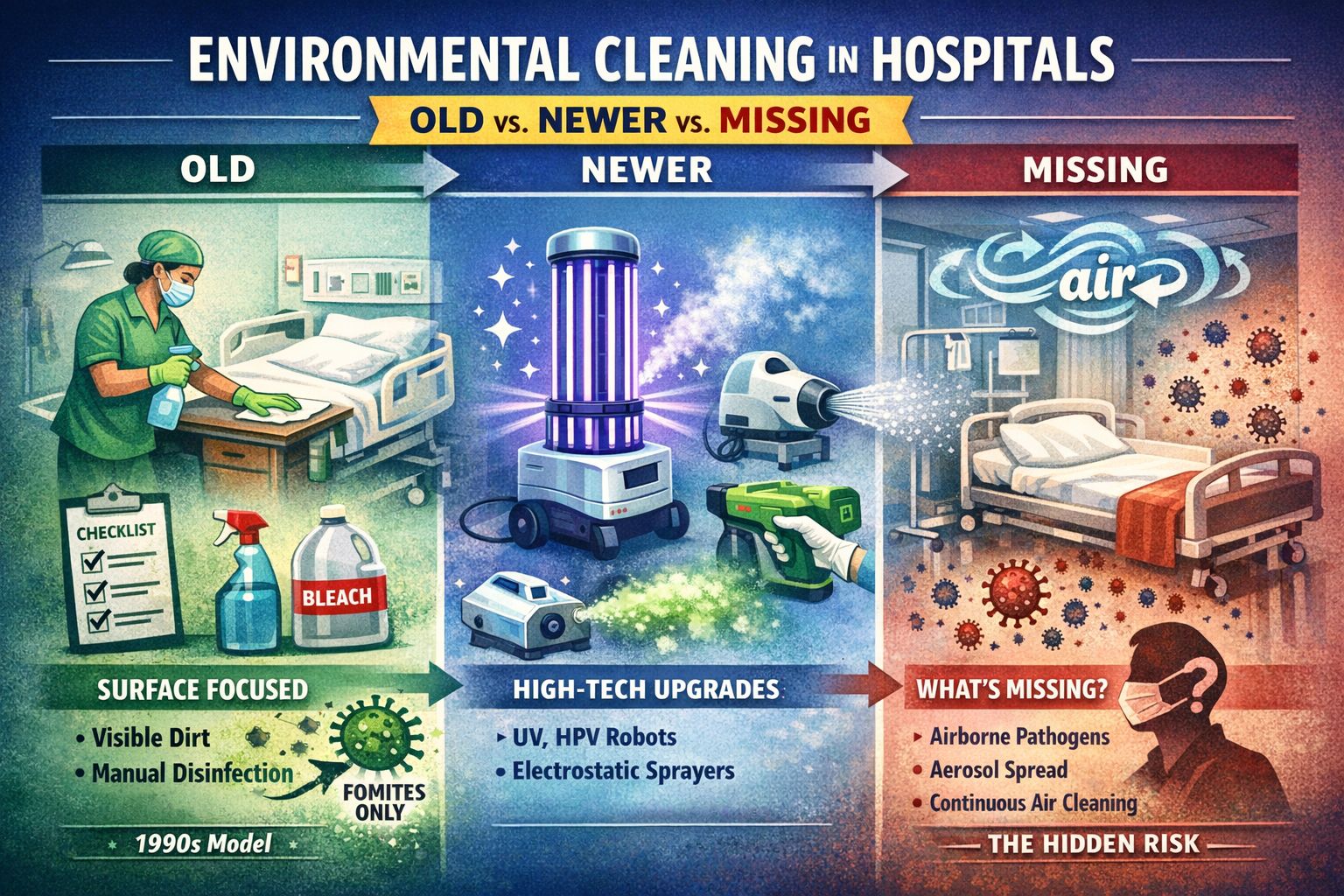
In healthcare, environmental cleaning = Cleaning and disinfecting the built environment, not the patient. That includes: Patient rooms (beds, rails, call buttons) Bathrooms Operating rooms Hallways, nursing stations Medical equipment surfaces Floors, walls, curtains It is surface-based infection control, not air. “Old” environmental cleaning (traditional model) This is the model hospitals still mostly use:…
-
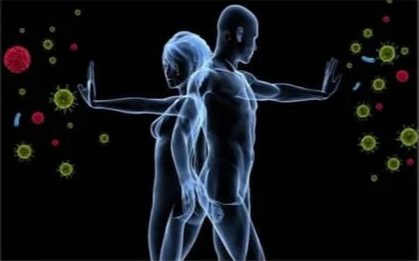
As we reflect on the ongoing challenges presented by infectious diseases, particularly since the onset of COVID-19, it’s evident that infection prevention in our built environments has not significantly improved. While we’ve seen advancements in awareness and hygiene practices, the need for effective solutions remain critical. One promising approach is the use of air sanitizers…
-
Reducing Airborne Pathogen Spread: The Role of Vapour Technology in Infection Control The COVID-19 pandemic highlighted a critical reality: airborne pathogens pose significant risks in built environments, from offices and schools to hospitals and public spaces. Reducing the spread of these pathogens is paramount, and at the heart of effective infection control lies a crucial…
-
In today’s world, the importance of maintaining a clean and safe environment is more critical than ever. As we navigate through ongoing health challenges, infection prevention remains at the forefront of our concerns, particularly in indoor spaces where viruses and bacteria can spread rapidly. One effective method to enhance indoor air quality and reduce the risk…


