Category: Fumigation
-
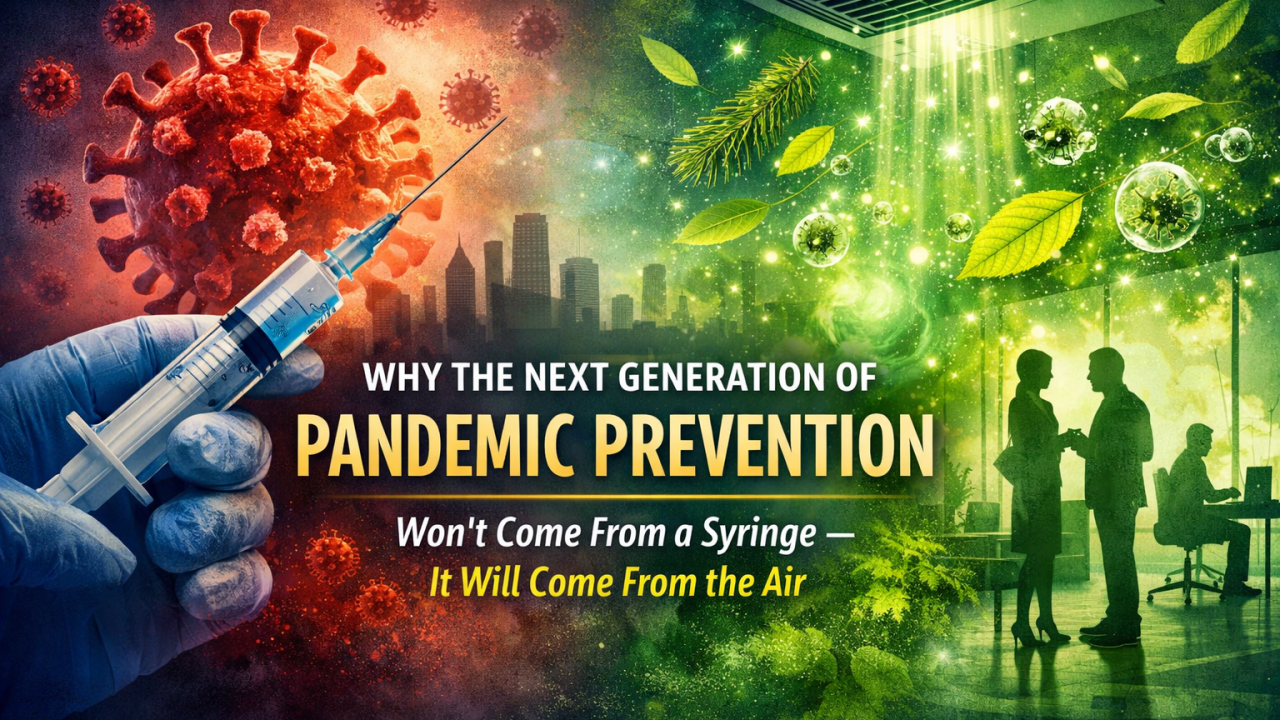
Why the Next Generation of Pandemic Prevention Won’t Come From a Syringe — It Will Come From the Air
For more than a century, public health has focused on treating people after exposure to infectious disease. Vaccines, drugs, and clinical interventions have saved millions of lives. But the COVID era exposed a critical gap in our strategy for respiratory pathogens. We’ve been focusing on the person, when the real battleground is the air. Humans…
-
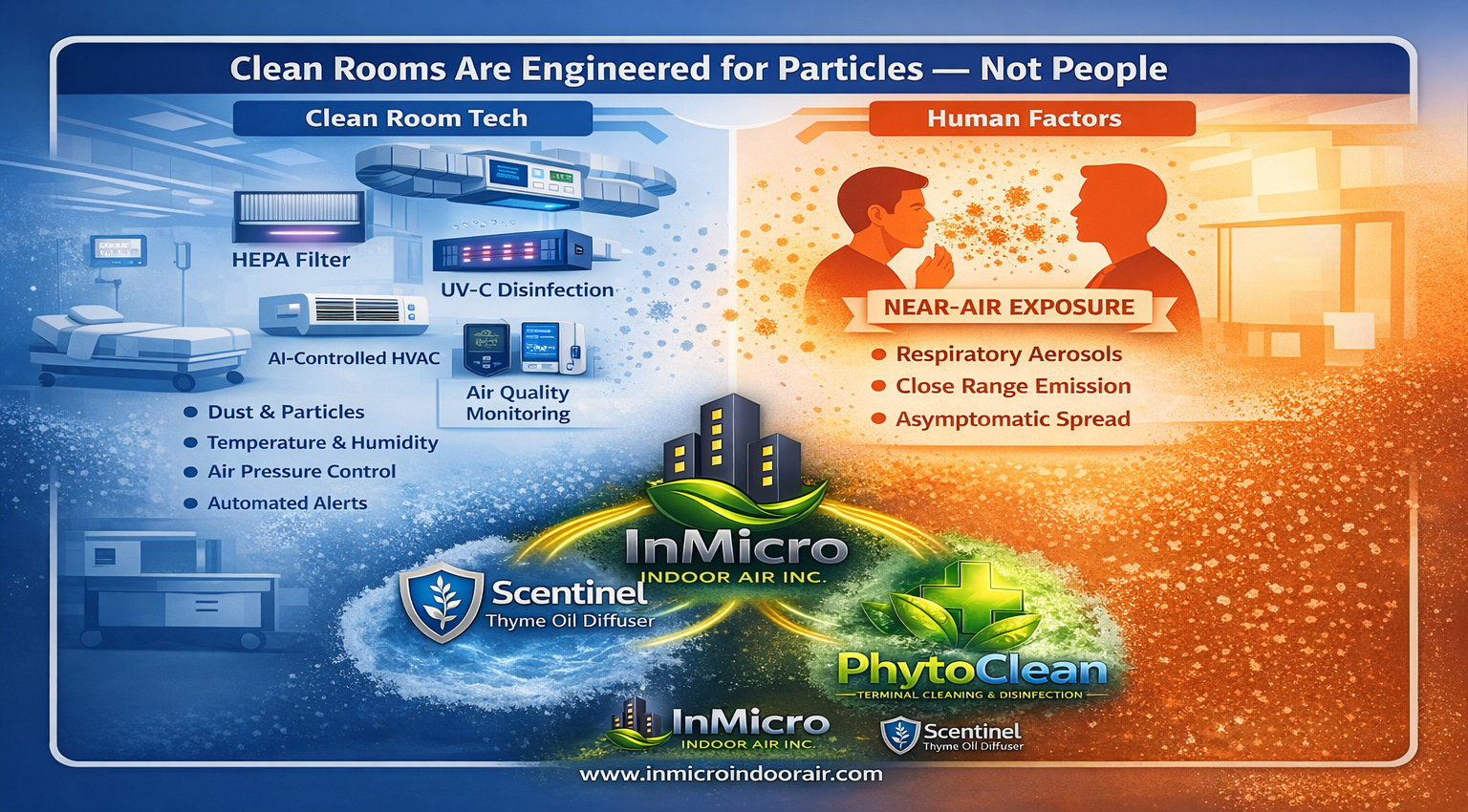
Over the past four decades, hospital infection control has become increasingly sophisticated. Clean room construction follows international frameworks such as ISO 14644-1 and the legacy FED-STD-209E. Facilities integrate HEPA filtration, UV-C disinfection, automated pressure controls, AI-optimized HVAC, and continuous monitoring systems. Companies offer advanced solutions—from the Puritrak air purifier and Puritrak indoor air quality measuring…
-
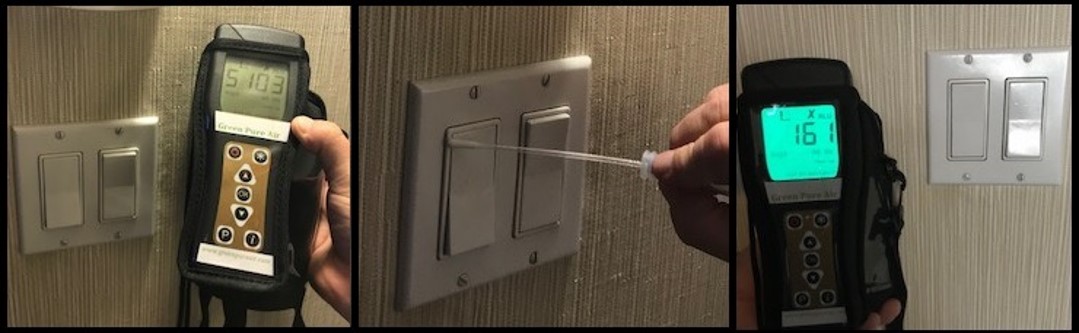
Why Do ATP Readings Drop After Thyme Oil Vapor Treatment in Operating Rooms — Even Without Cleaning?
In many hospitals, ATP monitoring is a trusted, rapid way to understand environmental hygiene. But an interesting pattern has emerged in operating rooms using short-duration thyme oil vapor treatments: ATP (RLU) readings fall significantly — even when no manual cleaning has taken place. So what’s driving this? Understanding What ATP Really Measures ATP (adenosine triphosphate)…
-
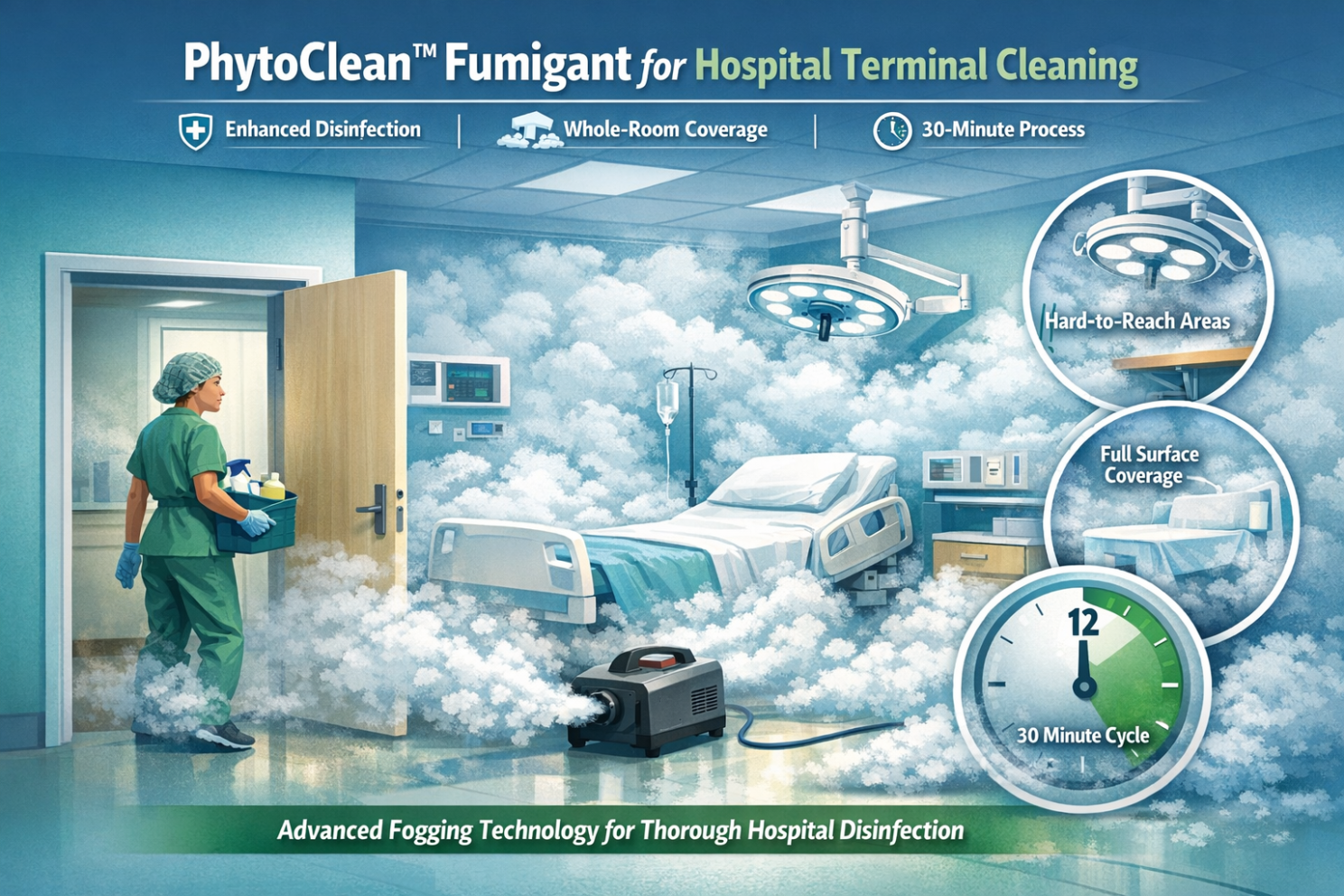
Hospital environments are designed to heal — but without rigorous environmental hygiene, they can also become reservoirs for pathogens. Terminal cleaning, the deep cleaning process performed after a patient leaves a room, is one of the most important infection-prevention steps in healthcare facilities. It ensures the next patient enters a safe, disinfected space and helps…


